Torrance is one of the farther points on our map, so I'll be straight about logistics: we schedule South Bay calls in blocks, and if you phone in the morning there's a good chance we can stack your job onto that day's route. If the 405 is a parking lot, I'll tell you that up front instead of promising a window I can't hit.
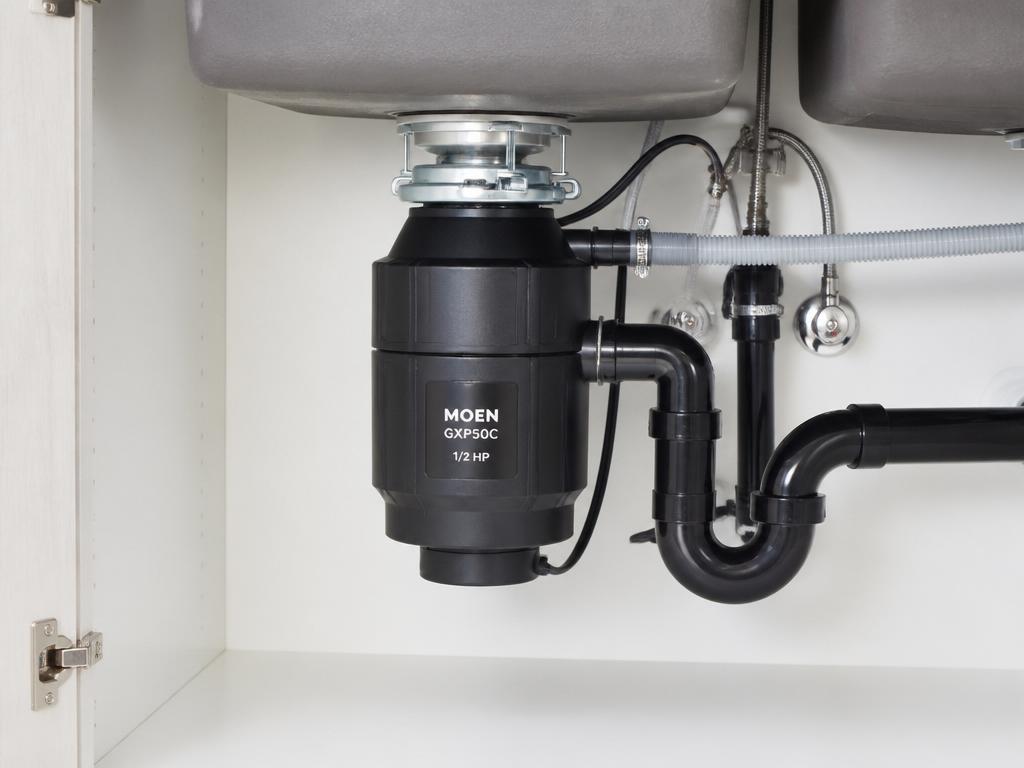
The city is mostly mid-century tract housing. Southwood, Seaside Ranchos, and big parts of West Torrance were built out in the 1950s and early 1960s as single-story three-bedroom homes with slab floors and galley kitchens. Many of those kitchens have been remodeled once or twice, which means the disposal under the sink is often the second or third unit hung on the same old drain arm.
Old Torrance, the original downtown grid around El Prado and Cabrillo, has older 1920s and 1930s cottages mixed with small apartment buildings. Up in the Hollywood Riviera and Walteria, the homes climb the hill toward Palos Verdes and the kitchens are bigger, with more islands, prep sinks, and second disposals. Around the Del Amo area and North Torrance there are plenty of 1970s–1990s condos and townhome complexes with tight sink cabinets.